Women Over 45 Are Quietly Retiring Their $1,200 Skincare Devices — Here's What Replaced Them
Five separate machines — the clinic wand, the LED mask, the microcurrent tool — collapsed into one instrument for $395, no appointments required.
Claim offer →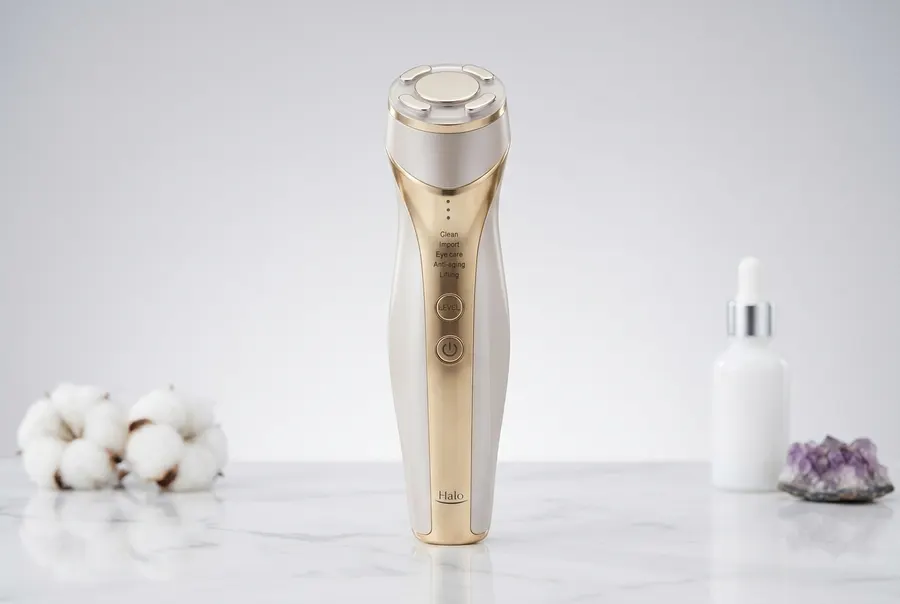
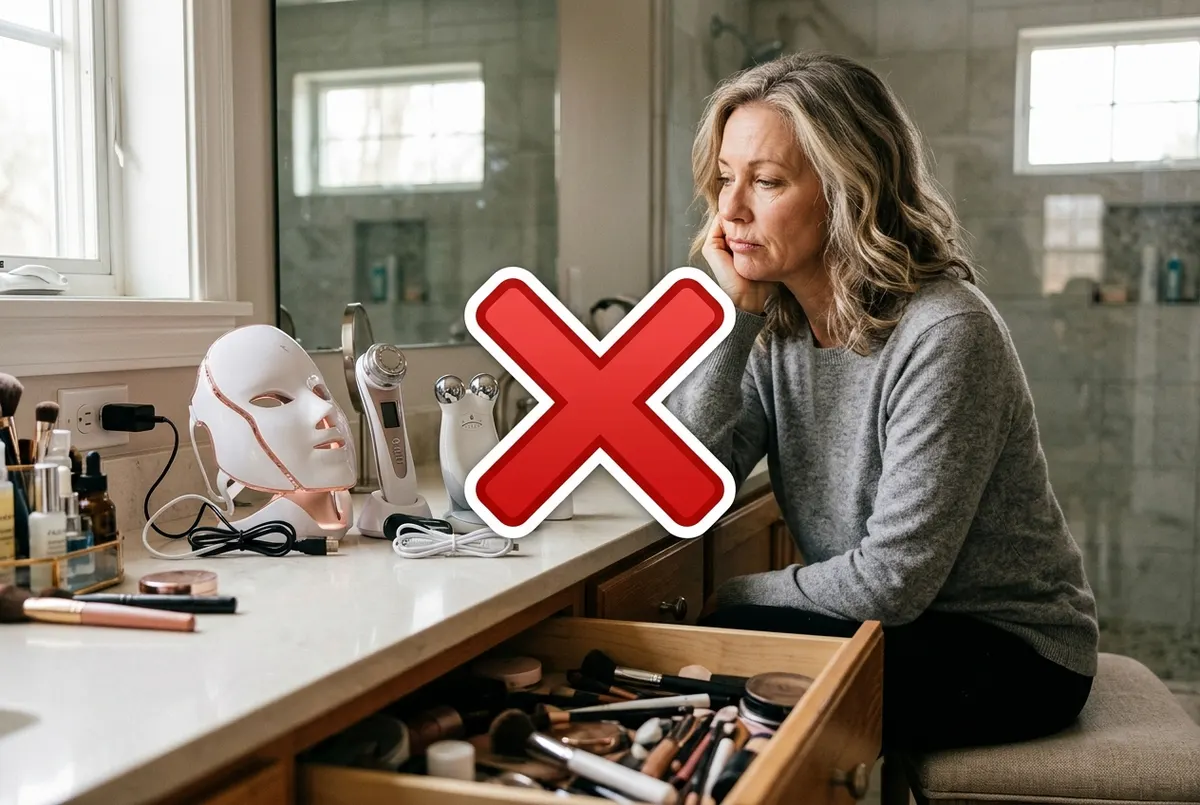
Across the country, bathroom shelves are quietly being reorganized. The LED mask that promised so much. The microcurrent wand charged twice, then forgotten. The cream that cost more than dinner for four.
Women in their fifties and sixties are looking at that little graveyard of gadgets and asking a fair question. If any of it worked, why is there so much of it?
Why does the second device always end up in the drawer?
It usually starts with real hope.
You notice the changes. A softer jawline, skin that doesn't bounce back the way it used to, tone that looks tired even when you're not. So you invest.
The first week is diligent. Then life gets in the way. The mask needs one thing, the wand needs another, the serum has its own timing. Five separate steps is four too many for a real evening.
None of it was cheap. Clinical-grade devices routinely run $1,200 and up, each doing one job.
Most end up unused, not because you're lazy, but because a routine built from scattered tools was never going to last.
So, what were those five machines actually doing?
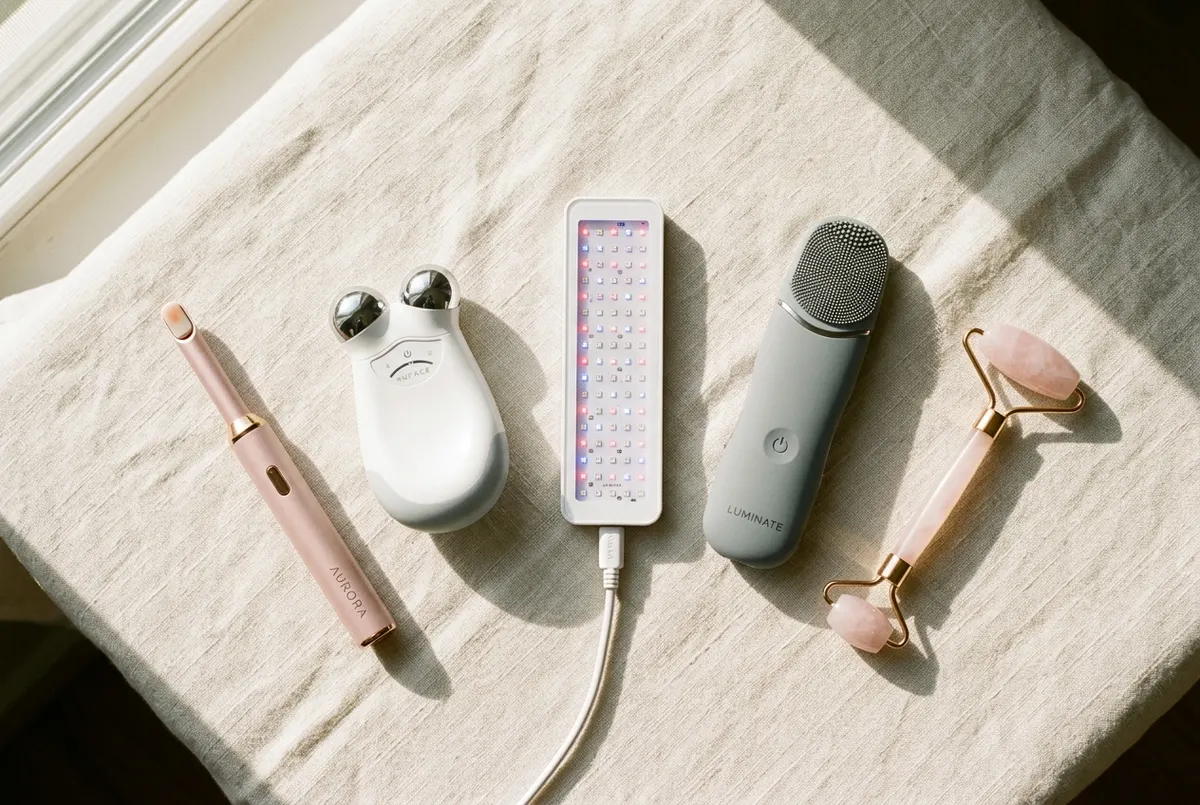
Each gadget delivered one kind of energy.
One warmed the deeper layers for firmer skin. One sent gentle pulses to tone the muscle for a lifted look. One used light. One used sound waves. One simply helped calm and de-puff.
Individually, each does a small, real thing. The problem is what experts have long understood about skin: it responds best to gentle, layered, consistent care. Several supportive steps working together, not one heroic gadget used once a month.
Call it the scattered-tool trap.
Five machines meant five routines, five chargers, five reasons to skip a night. The energies were never the flaw. The fragmentation was. The moment the steps split apart, consistency died and consistency is the whole game.
What finally replaced the whole collection?
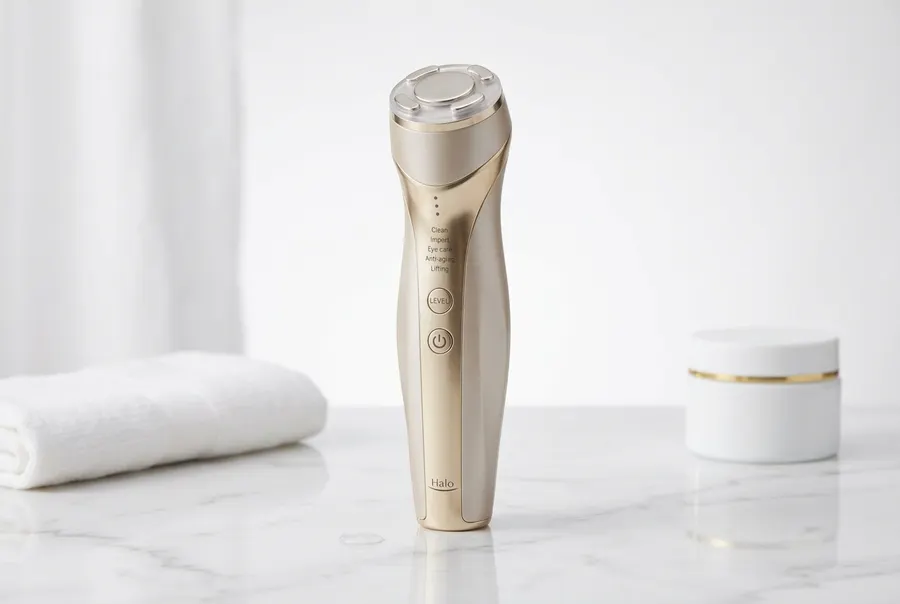
Halo runs five technologies at once.
It takes the five separate technologies women were buying one machine at a time: RF warmth for your skin to look and feel younger, gentle sound waves, toning pulses, therapeutic light, and calming vibration, and runs them together, in concert, in one five-minute session.
It's the direct answer to the scattered-tool trap. One instrument, one ritual, five guided modes. Warm ivory in the hand, a polished stainless steel head, a navy interior when you open the box, it feels like something you'll want to reach for.
It arrives with Lumis, a treatment gel engineered for the device rather than bought separately. Gentle sound waves help carry its actives deeper than hands ever could.
The price: $395 for all five technologies, against the $1,200-plus those clinical single-job devices command.
What does five minutes actually change?
The appeal isn't one dramatic result, it's several smaller ones stacking week over week. Here is what women notice as the sessions add up, from the immediate refreshed look to the slower shifts in firmness and tone.
How is it built differently?
The design brief was simple and hard: fit five real technologies into one instrument a busy woman will actually pick up each evening. These are the details that make the five-minute ritual hold.
Why women 45+ are making the switch
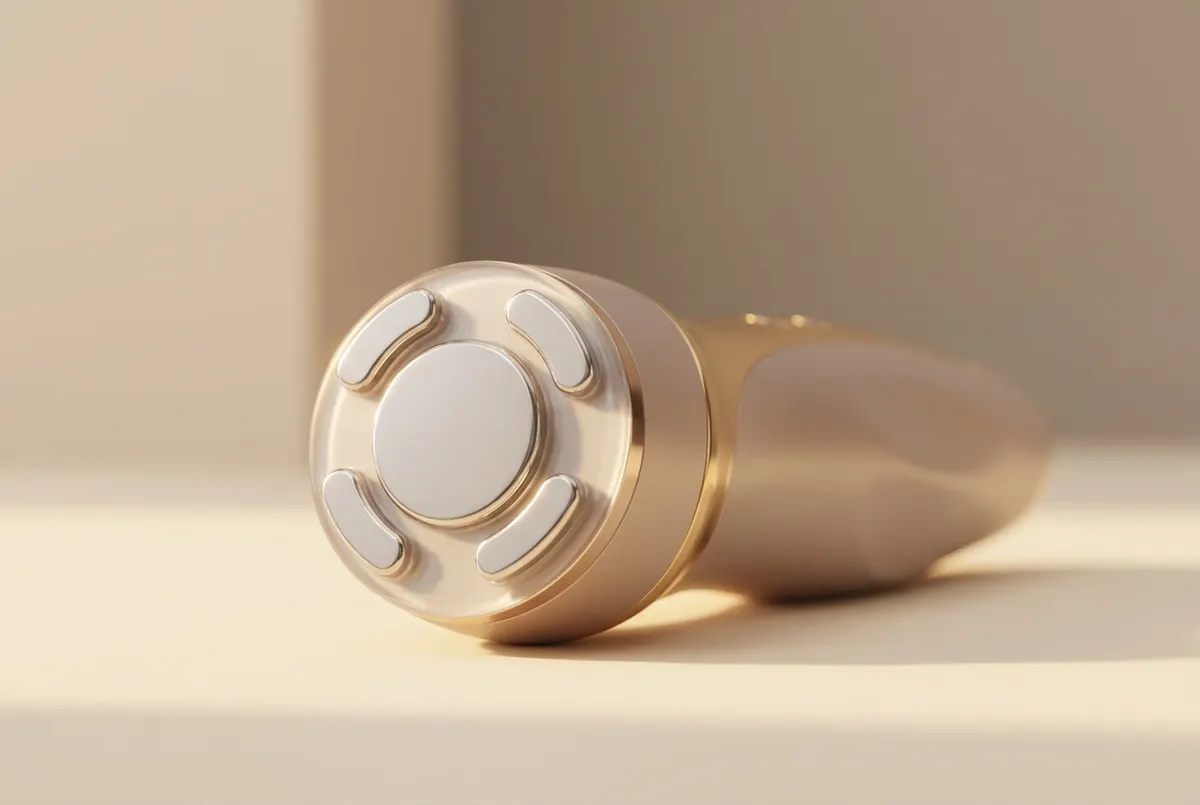
Five technologies engineered to work as one system
Unlike buying separate devices—an LED mask here, a microcurrent wand there—Halo integrates radiofrequency, ultrasonic, microcurrent, therapeutic light, and calibrated vibration into a single treatment head. Each technology is calibrated to amplify the others rather than compete for effect. The result replaces what would typically cost $1,200+ across multiple clinical devices.
Explore the design
Lumis gel drives actives deeper than fingertips alone can reach
The treatment gel is engineered specifically for Halo—not a generic afterthought. Its five actives (niacinamide, tranexamic acid, peptide, vitamin C, and hyaluronic acid) are chosen to target texture, tone, and firmness. Ultrasonic micro-vibrations then push these actives past the skin surface far more effectively than hand application, maximizing what each ingredient can accomplish.
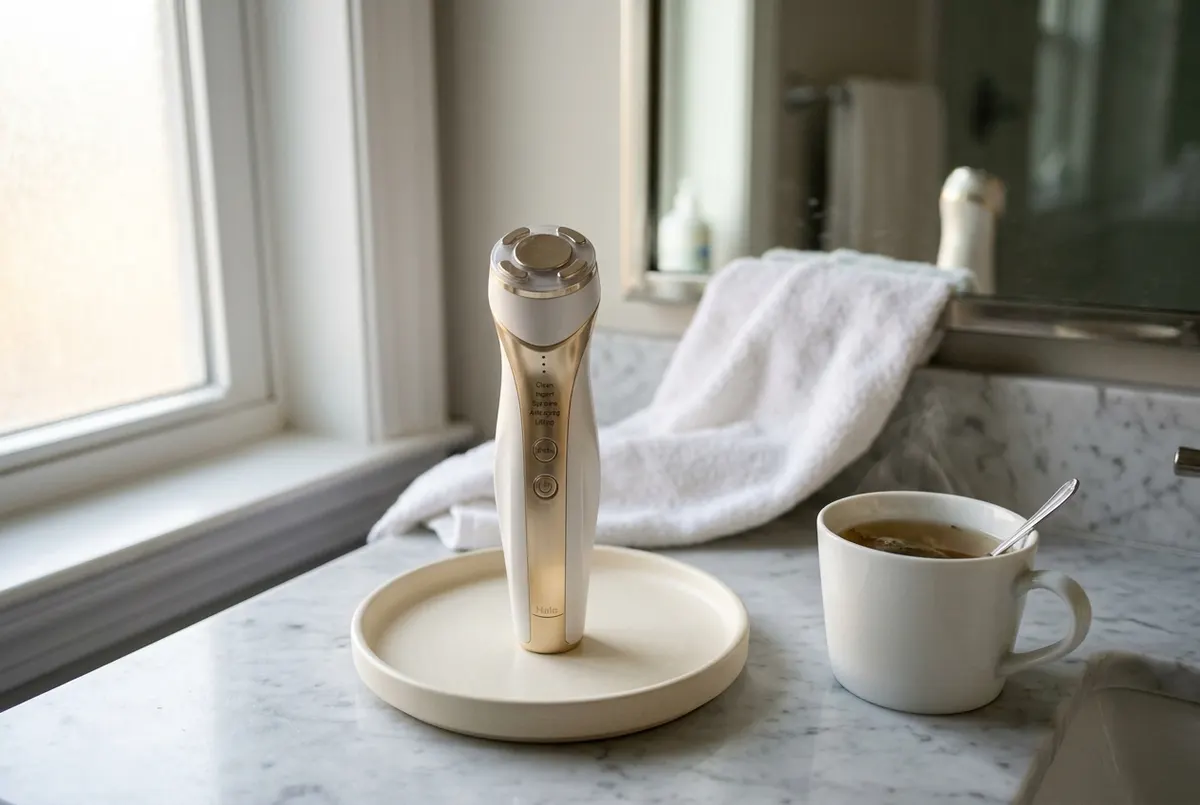
Skeptical of another drawer device? This one integrates into five minutes of ritual.
Women who've bought unused beauty devices know the pattern: initial enthusiasm fades, and the device sits idle. Halo sidesteps this by design. Five guided modes—each exactly five minutes—replace guesswork with structure. The ritual becomes anchored to a habit, the timer removes decision fatigue, and the warm, tactile experience of the treatment itself (not the promise of results) keeps it in the routine.
Start your ritual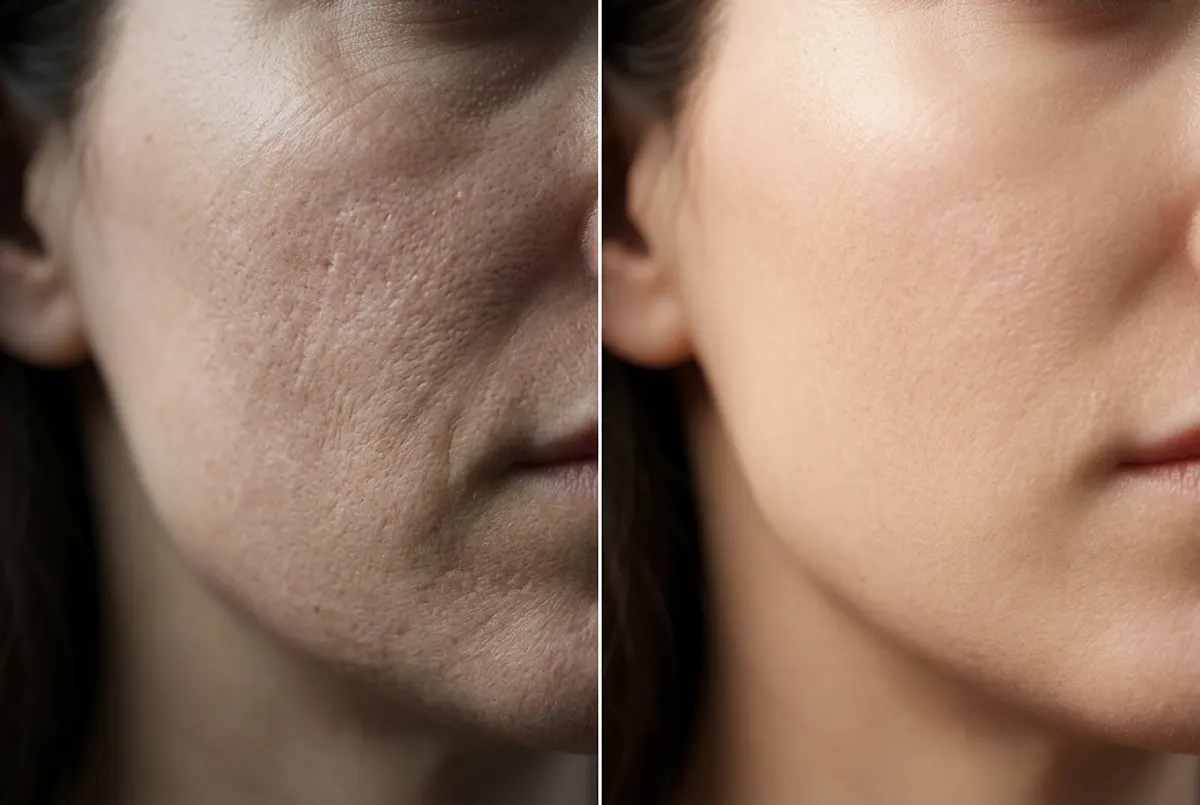
Results appear within 8 to 12 weeks—not vague promises, specific timelines
Visible improvements in texture, fine lines, tone, and facial definition emerge over two to three months of consistent use. This timeline reflects real skin-turnover biology, not marketing optimism. The brand backs this clarity with a 90-Day Promise and 1-Year Warranty, signaling confidence in both the device's durability and the visible results women will see when they commit to the guided protocol.
Try risk-free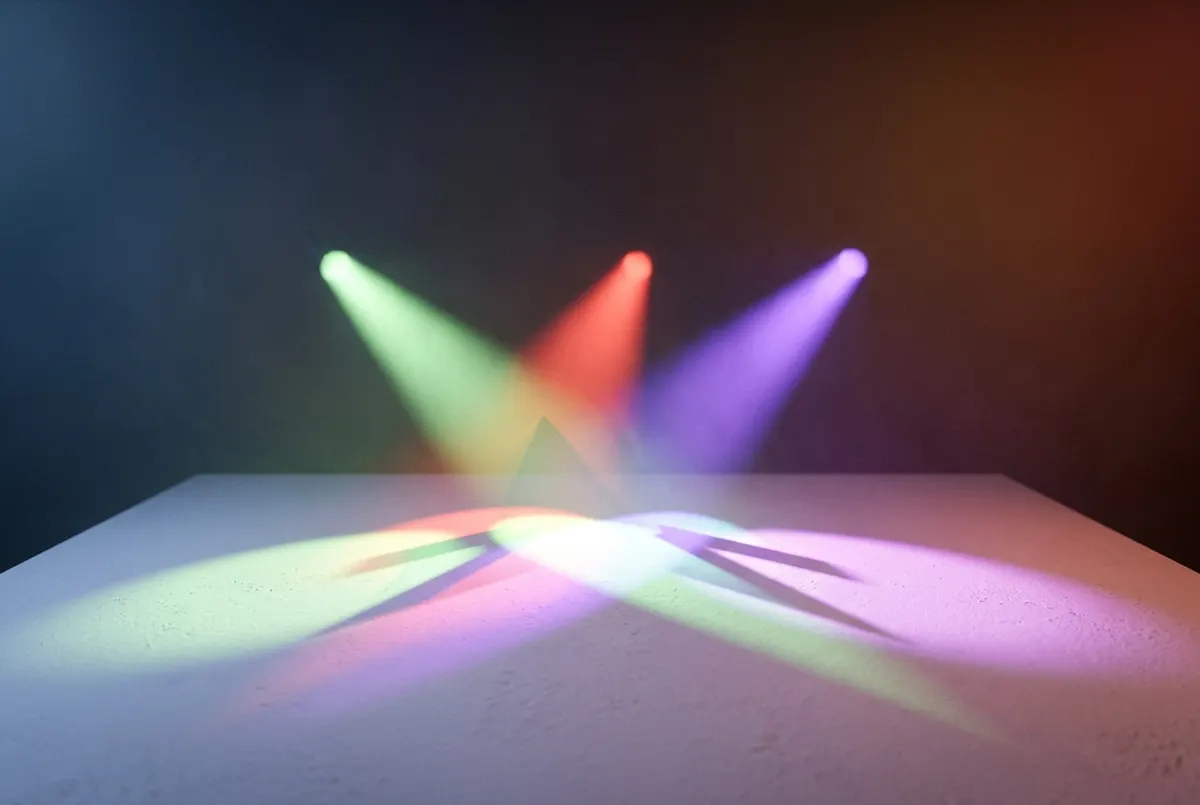
LED wavelengths chosen for their specific beauty effects, not marketing convenience
Halo uses three distinct wavelengths: green light (520nm) to calm and even tone, red light (650nm) for the look of renewed and firmer skin, and purple light (700nm) to support overall radiance. Each wavelength is selected for a visible aesthetic outcome—luminosity, smoothness, glow—not bundled together because they sound scientific. The Anti-Aging mode pairs radiofrequency with red light specifically for fine-line refinement.
Discover the lightWhat are people saying about Halo?
The most telling praise isn't about specs — it's about the glow that shows up in ordinary light, and the fact that this device didn't end up in a drawer like the last one.
How long until you notice a difference?
This isn't an overnight promise, and the brand doesn't pretend otherwise. Visible change tends to arrive between weeks eight and twelve — here is roughly what that stretch looks like, honestly mapped.
How does it actually compare?
The fairest question a skeptical buyer asks is whether one $395 instrument can stand in for a shelf of pricier single-job machines. Set side by side, the difference is less about power and more about whether you'll ever use it.
| Halo | Most At-Home Beauty Devices | |
|---|---|---|
| Device cost | $395 | $1,200+ |
| Technologies included | 5 | 1–2 |
| Treatment gel pairing | ✓ | Missing |
| Guided modes | 5 | Rarely |
| Cordless runtime | 60–80 min | Tethered or short |
| Session timer | ✓ | Missing |
Try Halo
The questions women ask before buying
Most women considering this have bought a device that disappointed them before, so the questions are pointed: does a cheaper tool really work, will I actually keep using it, and how does it fit the routine I already have?