There is no single best at-home RF device. The right one depends on how much time you have, whether you also want muscle toning, and whether you mind using a gel. For skin firmness alone, CurrentBody Skin RF and NEWA are established choices. For RF plus muscle toning in one routine, look at SKINFOUNDRY Halo, EvenSkyn Lumo+ or TriPollar STOP Vx. Below, seven devices compared on the facts that matter.
Reviewed September 2026. SKINFOUNDRY makes SKINFOUNDRY Halo, one of the seven devices below. We compared published specifications, prices, routines and policies from each brand’s US website; we did not lab-test the devices. Prices change often.
How at-home RF works, in one paragraph
Radiofrequency (RF) devices send a gentle current through the skin that turns into warmth in the deeper layers. That warmth is what professional RF treatments use for a firmer look, and at-home devices use the same idea at much lower power. Because the energy is lower, results build slowly over weeks of consistent use and are subtler than in-office treatment. RF works on skin. It does not tone facial muscle; that is what EMS and microcurrent do. For the full explanation, read Microcurrent vs radiofrequency.
The seven devices at a glance
| Device | US price | Technology | Brand’s routine | Power | Gel |
|---|---|---|---|---|---|
| SKINFOUNDRY Halo | $395 | Bipolar RF, EMS, ultrasonic, sonic vibration, LED | Full Treatment with RF: 25 min, 1 to 2x a week (Essentials without RF: 15 min, 2x a week) | Cordless | Lumis treatment gel (30 ml included) |
| CurrentBody Skin RF | $385.99 | RF only | 1x a week for 8 weeks; full face about 70 min | Corded | RF gel (3.3 oz included) |
| NEWA+ | $439 (Classic corded $339) | 3DEEP RF | Up to 5x a week for 1 month, then 2x a week | Cordless | NEWA gel |
| VEAUTY Dot | $495 | Fractional RF (144 electrodes) | Up to 15 min per session | Cordless | Serum recommended |
| EvenSkyn Lumo+ | $499.99 | RF, EMS, red and blue LED, ionic, cooling | 5 to 8 min, 2 to 3x a week | Cordless | Required for RF and EMS modes |
| TriPollar STOP Vx | $629 | Multi-source RF plus microcurrent | 2 to 3x a week for 6 to 8 weeks, then 2 to 4x a month | Cordless | Gel |
| MimiSilk Vera RF Sculpt | $699 | 6.25 MHz multipolar RF, gel-free | About 10 min full face; daily at first, then every other day | Plug-in | None |
Best for RF and muscle toning in one short routine: SKINFOUNDRY Halo
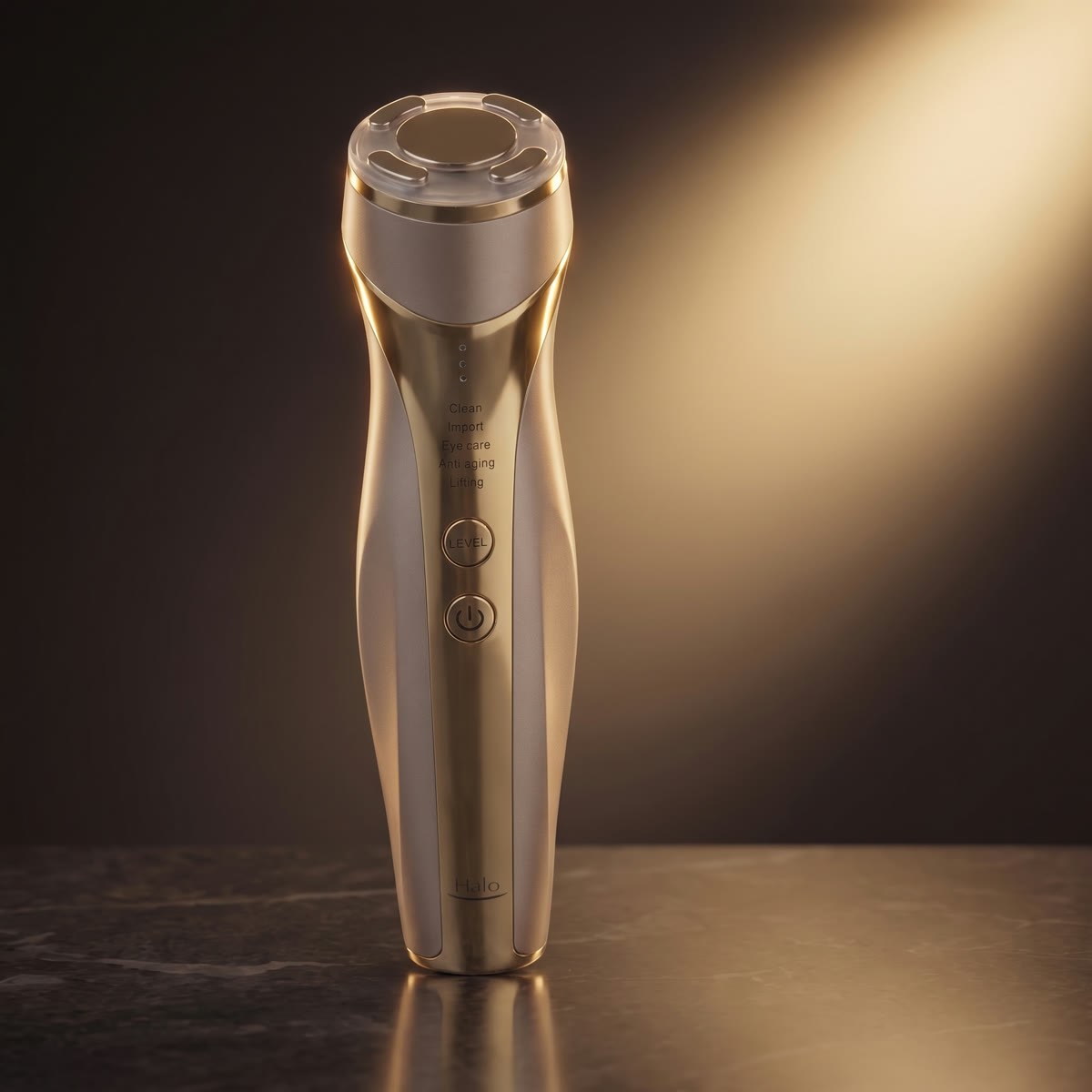
SKINFOUNDRY Halo pairs bipolar RF (1 MHz) for the look of firmer skin with EMS for facial muscle toning, plus ultrasonic, sonic vibration and LED, across five five-minute modes (Clean, Import, Eye Care, Anti-aging, Lifting). RF runs in the Eye Care and Anti-aging modes; the Full Treatment covers all five modes in about 25 minutes, once or twice a week, and it is cordless. Unlike most conductive gels, which only help a device glide, Lumis is a treatment gel with five actives: niacinamide, tranexamic acid, peptides, vitamin C and hyaluronic acid. The trade-offs: SKINFOUNDRY is a new brand with few reviews so far, and the warranty is 1 year. The 90-Day Promise is the longest return window here.
Best established RF-only choice: CurrentBody Skin RF
CurrentBody is a large UK beauty-device company best known for its LED mask. Its RF device is simple: RF only, once a week for eight weeks. The catch is time. CurrentBody states a full face takes about 70 minutes at five minutes per area, and the device is corded. Its product page also lists a long set of exclusions, including Botox or fillers in the last three months and retinoids in the last six. More detail: NuFACE vs CurrentBody RF vs SKINFOUNDRY Halo.
Best for clinical heritage: NEWA
NEWA comes from EndyMed, a maker of professional RF systems, and uses its 3DEEP RF technology, which the brand says is FDA cleared and backed by more than 40 clinical studies. The cordless NEWA+ is $439 and the corded Classic is $339. Its routine is the most frequent in this list at first, up to five times a week for a month, then twice a week. It is RF only.
Best for fractional RF: VEAUTY Dot
VEAUTY Dot uses fractional RF, delivering energy through 144 small electrodes rather than a smooth head, an approach borrowed from in-office fractional treatments. It is $495 before the frequent sales. VEAUTY’s own site notes that the clinical studies it cites are on professional fractional RF, not the Dot itself, and independent reviews are mixed. Worth considering if texture is your main concern; less so for lifting.
Most features: EvenSkyn Lumo+
EvenSkyn Lumo+ ($499.99) is the closest in concept to SKINFOUNDRY Halo: bipolar RF at 1 MHz, EMS, red and blue LED, ionic modes and a cooling mode, with a 2-year warranty. Sessions are short, 5 to 8 minutes, two to three times a week. Gel is required for its RF and EMS modes. It has a long list of YouTube reviews from 2021 and 2022.
Best for RF with microcurrent: TriPollar STOP Vx
TriPollar is one of the older names in home RF. The STOP Vx ($629) combines multi-source RF with microcurrent. The brand recommends two to three sessions a week for six to eight weeks, then two to four a month. It is the priciest of the gel-based devices here.
Best if you want no gel: MimiSilk Vera RF Sculpt
MimiSilk Vera ($699) is built around avoiding gel: 6.25 MHz multipolar RF used with a “stamp” technique, holding and lifting rather than gliding, about 10 minutes for a full face. It plugs in rather than running on a battery. It is RF only, launched in mid-2026 and has very few reviews so far.
How to choose: five questions
- Is your concern skin, muscle or both? RF alone addresses skin firmness. If your jawline also looks softer from muscle slack, choose RF with EMS or microcurrent.
- How much time will you really give it? Compare minutes per week, not per session: a 70-minute weekly routine and a 25-minute routine once or twice a week feel very different.
- Cordless or corded? Corded devices tie you to an outlet for the whole session.
- What does the gel cost and do? Most devices need a gel. Check its price and whether it is a treatment in its own right or only helps the device glide.
- Can you use it? Read the exclusions before buying. Recent injectables, retinoids, pregnancy and implants rule out many devices, and the rules differ by brand.
Comparing against NuFACE specifically? See the best NuFACE alternatives in 2026, including options that add RF to muscle toning.
Frequently asked questions
Do at-home RF devices really work? They can give a gradual, subtle improvement in how firm skin looks with consistent use over several weeks. They use far less energy than in-office RF, so expectations should be modest. See radiofrequency skin tightening at home.
What is the best at-home RF device for sagging jowls? Jowls usually involve both loose skin and slack muscle, so a device that combines RF with EMS or microcurrent covers both layers. Read what jowls are and what helps.
How often should I use an at-home RF device? Follow your device’s instructions. Routines in this list range from once a week (CurrentBody) to up to five times a week at first (NEWA).
Is RF better than microcurrent? They do different jobs. RF warms the deeper skin for firmness; microcurrent tones muscle. Many people want both.
Why is SKINFOUNDRY Halo on this list if SKINFOUNDRY wrote it? Because it is an at-home RF device in this price range. We have said where it is behind: it is newer, has fewer reviews and a shorter warranty than several others.
SKINFOUNDRY Halo is a cosmetic device for home use. It is not intended to diagnose, treat, cure or prevent any disease. Results vary. Details for other brands are drawn from their public US websites and published reviews as of September 2026 and may change. Brand names belong to their respective owners.